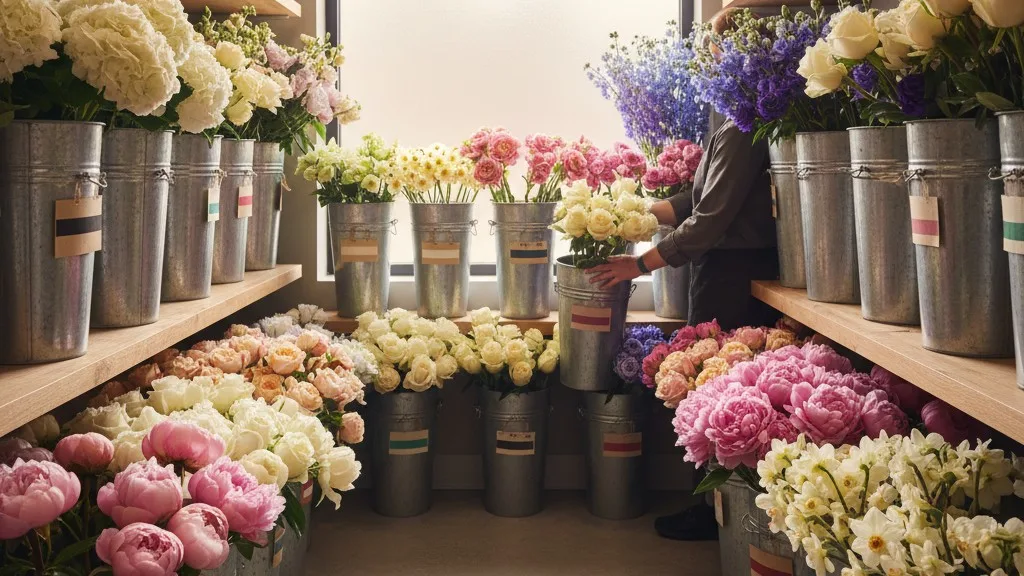

Managing a successful flower shop is a constant balancing act between maintaining beautiful, fresh displays and avoiding the costly trap of over-ordering. Every stem that rots in the cooler represents direct loss from your bottom line, making green waste one of the largest silent expenses in the floral industry. Implementing structured florist inventory management is the most effective way to protect your profit margins, optimize your cooler space, and run a more sustainable retail business.
While some level of waste is inevitable when dealing with highly perishable products, many flower shops lose far more inventory than necessary due to disorganized processes, loose ordering habits, and a lack of clear tracking. By establishing systematic controls over how flowers are received, stored, designed, and tracked, you can transform your shop's efficiency. This comprehensive guide outlines the practical steps you can take to gain control of your inventory and keep your hard-earned profits from ending up in the compost bin.
The High Cost of Perishable Waste in the Flower Shop
In many traditional flower shops, throwing away old stems is treated as an unavoidable cost of doing business. However, when you do not track exactly what is being thrown away and why, you cannot identify the systemic buying and handling errors that cause this waste in the first place. Shrinkage from expired or damaged blooms directly reduces a florist's net profit margin. This financial drain is compounded by the labor costs spent processing, cleaning, and storing stems that are ultimately never sold.
To combat this, shops must shift from a reactive mindset to a proactive one. Instead of simply accepting a high volume of waste during slow weeks or after major holidays, managers need to treat stems as physical currency. Every rose, carnation, and stem of eucalyptus must be accounted for from the moment it arrives from the wholesaler to the moment it leaves the shop in a customer's hands. Understanding the true cost of your green waste is the first step toward building a more profitable and structured business model.
Establishing a Strict First-In, First-Out (FIFO) System
One of the simplest yet most frequently ignored principles of inventory control is the First-In, First-Out (FIFO) method. In a busy design room, designers often reach for the newest, freshest buckets of flowers because they are the easiest to access or look the most vibrant. This leaves older, yet perfectly usable, inventory to languish at the back of the cooler until it is too old to sell. A strict FIFO system ensures that older stock is used first, maximizing the shelf life of your entire inventory.
To implement a physical FIFO system in your cooler, consider the following steps:
- Date-Label Every Bucket: Use color-coded tags or waterproof labels to clearly mark the date each bucket of flowers was processed.
- Organize by Rotation: Place the newest arrivals at the back of the cooler shelves and pull older buckets to the front where designers can easily reach them.
- Train Your Design Team: Ensure every designer understands that they must use older stock first for daily arrangements, saving the newest arrivals for orders that require maximum longevity.
- Separate Event Stock: Clearly mark buckets reserved for specific weddings or events so they are not accidentally used for daily walk-in orders.
By making inventory rotation a standard part of your daily workflow, you will naturally reduce the number of stems that expire before they ever make it into an arrangement.
Using Recipe-Based Ordering to Prevent Over-Buying
Many florists still order flowers based on intuition, looking at past invoices and guessing how many bunches of each variety they will need for the upcoming week. This guesswork often leads to over-buying, resulting in buckets of leftover specialty blooms that do not fit into standard daily designs. Transitioning to recipe-based ordering is a highly effective way to align your purchasing directly with your actual sales.

When you design your standard daily arrangements, sympathy tributes, and holiday items, you should document a precise recipe for each product. This recipe must list every stem, green, and hard good required to build the piece. When an order is placed, your system should calculate the exact inventory needed to fulfill it. To learn more about how structured systems can organize your shop, read our guide on The Ultimate Guide to Florist Inventory Management.
By purchasing only the specific stems required to fulfill your recipes, you avoid the trap of buying extra bunches "just in case." This disciplined approach to buying not only reduces waste but also ensures consistency in your designs, meaning customers receive exactly what they see on your website while your margins remain protected.
Tracking Waste to Identify Patterns and Problem Blooms
You cannot manage what you do not measure. If your team is throwing away damaged or expired stems without logging them, you are losing valuable data that could prevent future waste. Keeping a daily dump log is essential for identifying patterns in your inventory loss. This log can be a simple physical clipboard by the trash can or, ideally, a digital tracking system within your point-of-sale software.
Every time a stem is discarded, the designer should record the variety, the quantity, and the reason for disposal (such as rot, broken stems, or simple old age). Over time, analyzing this data will reveal critical insights. For example, you might find that a specific variety of rose from a particular wholesaler consistently fails within three days, indicating a quality issue with that supplier. Alternatively, you might realize you are consistently over-ordering yellow carnations because they rarely sell in your market. Armed with this information, you can make smarter buying decisions and hold your wholesalers accountable for substandard product.
Optimizing Your Cooler Environment and Stem Care
Even the most advanced inventory tracking cannot save flowers that are poorly cared for. Proper post-harvest handling and environmental controls are physical prerequisites for effective florist inventory management. Small mistakes in temperature, hygiene, and hydration can cut a flower's vase life in half, leading to premature waste.
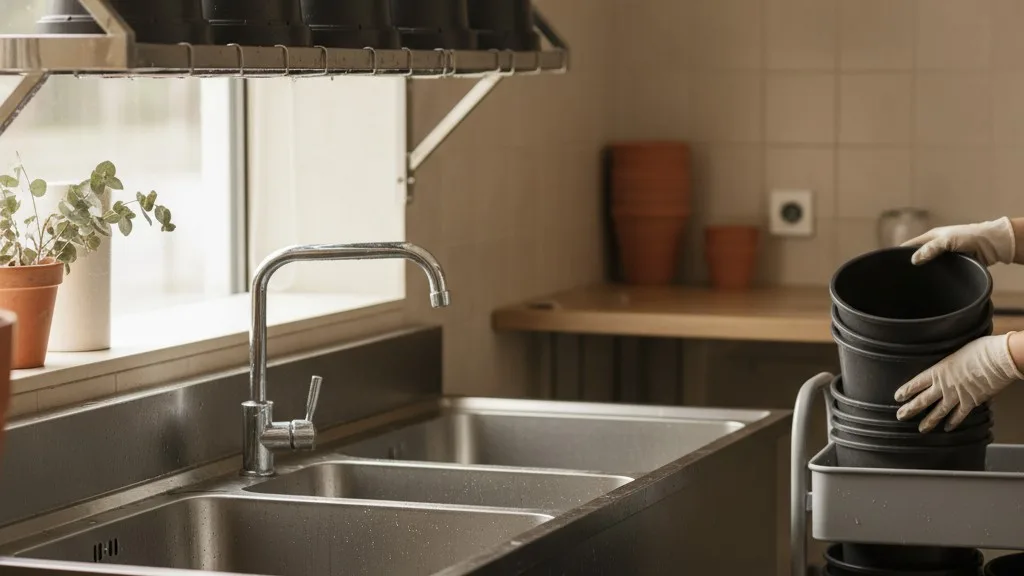
Ensure your shop follows these strict care and handling protocols:
- Monitor Cooler Temperatures: Keep your floral cooler consistently between 34 and 44 degrees Fahrenheit. Fluctuations in temperature accelerate the aging process of the blooms.
- Keep It Clean: Bacteria is the primary enemy of cut flowers. Wash every bucket with a commercial floral disinfectant before reuse, and never place fresh stems into dirty water.
- Manage Ethylene Gas: Keep ripening fruit, decaying foliage, and exhaust fumes away from your flowers. Ethylene gas causes premature wilting, petal drop, and bud blasting.
- Use Proper Hydration Solutions: Use the correct floral preservatives and hydration solutions for each flower type to ensure stems can take up water efficiently.
Investing time in proper stem care extends the window of time you have to sell your inventory, directly reducing the volume of flowers that must be discarded.
Transitioning from Guesswork to Digital Florist Inventory Management
While paper logs and dry-erase boards are better than nothing, they quickly become unmanageable as your shop grows. Relying on manual tracking often leads to data entry errors, lost notes, and a lack of real-time visibility into what is actually available in your cooler. To truly optimize your operations, you need to transition to dedicated digital tools designed for the unique realities of the floral industry.
To understand the broader operational benefits of moving away from manual tracking, explore our resource on How to Run a Flower Shop: A Practical Guide for Florists. Digital tools allow you to manage your product catalog, store precise arrangement recipes, and track stock levels across different locations. When your inventory is integrated with your point-of-sale system, stock levels update automatically as orders are taken, giving you an accurate picture of what is available without requiring you to constantly step into the cooler to count buckets.
Orkyd is a web-based flower shop point-of-sale software built by LarkTek, a family-owned company. Orkyd provides built-in tools for product catalogs, recipes, and location-level stock tracking. This allows independent florists to replace paper chaos with clear digital workflows, making it easier to buy precisely what you need and keep your perishable waste to an absolute minimum.
Protecting Your Bottom Line Through Smarter Purchasing
Reducing floral waste is not about buying fewer flowers; it is about buying smarter. By implementing a strict FIFO system, utilizing recipe-based ordering, tracking your daily dump logs, and maintaining optimal cooler conditions, you can significantly lower your shop's shrinkage. This disciplined approach to florist inventory management keeps your cooler fresh, your designs consistent, and your profits where they belong—in your business.
If you are ready to move away from spreadsheets and paper logs, a modern point-of-sale system can provide the structure your shop needs. To see how Orkyd can help you manage your recipes, track your stock, and streamline your daily operations, visit our demo page to book a free 30-minute Orkyd demo today.