Managing the florals for a massive wedding or a corporate gala can quickly turn into a logistical nightmare. When you are handling hundreds of delicate stems across dozens of custom centerpieces, bouquets, and large-scale installations, keeping your team on the same page is a constant struggle. Implementing a reliable system for wedding flower software management and clear physical workflows is the only way to ensure your designs match the client's vision without draining your shop's profits.
When a shop takes on large events, the margin for error shrinks. A single misplaced bucket of garden roses or a miscommunicated centerpiece recipe can lead to last-minute panic, rushed wholesale orders, and unhappy clients. To prevent these costly mistakes, flower shop managers and designers need a structured approach that bridges the gap between digital planning and physical execution on the design floor.
The Challenge of Managing Complex Floral Designs
Large-scale floral design is as much an exercise in logistics as it is an art form. Unlike daily retail orders, where a designer can easily substitute a flower from the cooler if a specific stem is unavailable, event work demands strict adherence to a pre-approved aesthetic and budget. Without a clear system, several common issues can disrupt your workflow:
- Stem hoarding: Designers working on one arrangement may inadvertently use flowers reserved for another, leaving the final pieces short of key blooms.
- Communication gaps: Last-minute changes to a wedding proposal might be updated on an office computer but never communicated to the designers at the workbench.
- Vessel confusion: Using the wrong vase shape or size can completely alter the mechanics of a design, requiring more stems than budgeted to fill the space.
- Delivery mishaps: Delicate items can be damaged in transit, or critical pieces like the bridal bouquet might be left behind in the cooler.
Utilizing Wedding Flower Software Management
To overcome these challenges, your shop must adopt a rigorous system for tracking designs from the initial consultation through to the final on-site setup. By integrating structured physical processes with modern digital tools, you can keep your cooler organized, your design bench efficient, and your clients thrilled. For more tips on organizing your shop's overall workflow, check out our comprehensive floral order management guide.
Create Detailed Recipe Sheets for Every Arrangement
The foundation of any successful event design is the recipe sheet. A recipe sheet is a detailed blueprint for a specific floral arrangement, outlining every single element required to build it. Without precise recipes, designers are forced to guess, which inevitably leads to inconsistent designs and ruined profit margins.

Standardize the Stem Count
Every recipe must list the exact quantity and variety of each flower, foliage, and hard good required. Do not simply write "mixed greenery" or "white roses." Specify "three stems of Italian ruscus," "five stems of white Majolica spray roses," and "seven stems of Playa Blanca roses." This level of detail ensures that your wholesale ordering is accurate and that your design team knows exactly what goes into each container. It also prevents designers from over-stuffing arrangements, which can quickly erase your profit margin on a large job.
Document with Photos and Notes
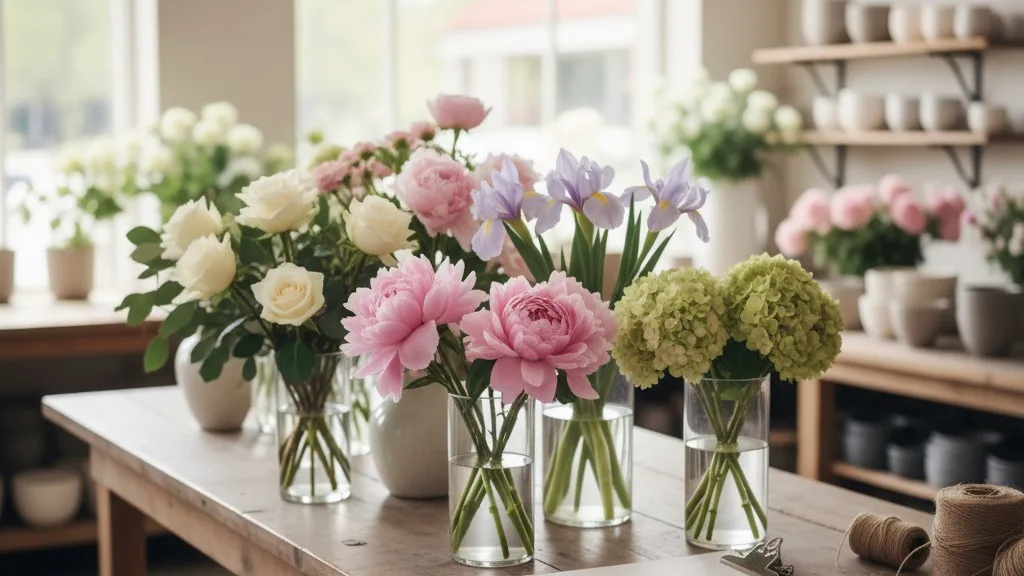
A written list of ingredients is helpful, but visual aids are invaluable for keeping designs consistent, especially when multiple designers are working on the same style of centerpiece. Take clear, high-resolution photographs of sample arrangements during the mock-up phase. Attach these photos directly to the recipe sheet, along with notes on design mechanics, such as whether to use chicken wire, floral foam, or a tape grid. If a specific vase requires a unique design technique, document that step-by-step so any designer on your team can replicate the look perfectly.
Organize Your Cooler and Design Benches by Event Phase
Once your recipes are established and your wholesale shipment arrives, the physical organization of your shop becomes critical. A chaotic cooler is a recipe for lost stems and damaged blooms. You must establish clear zones and labeling systems to keep event flowers separate from your daily retail inventory.
Color-Coded Tagging Systems
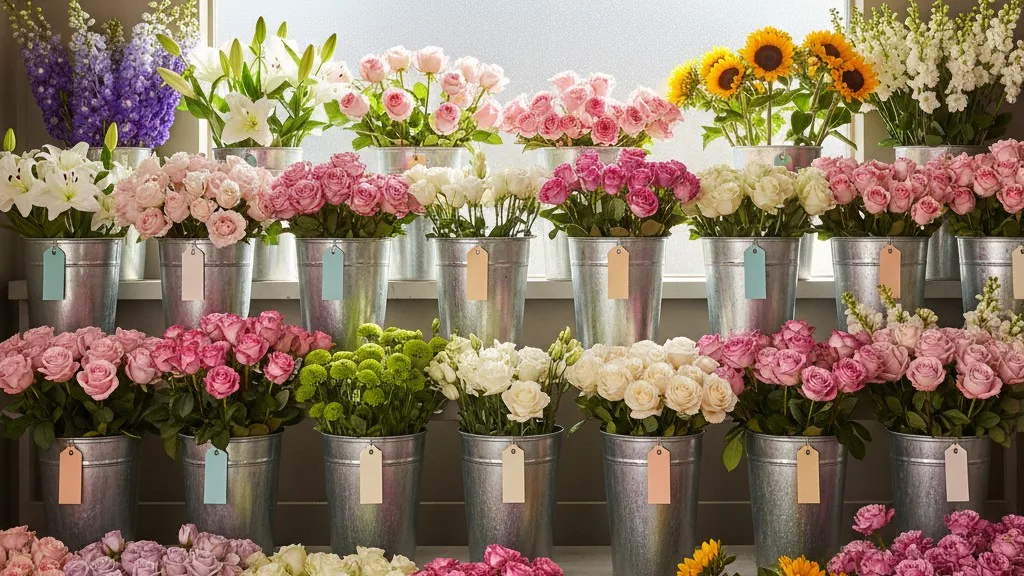
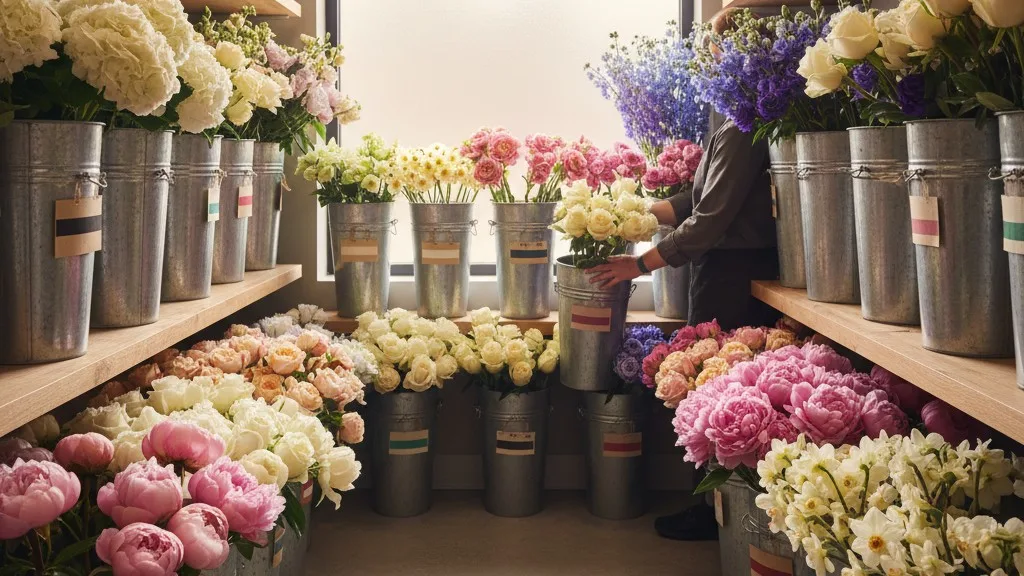
Implement a color-coded tagging system for your buckets. Assign a specific color to each event of the week. When flowers are processed, they should go directly into buckets labeled with the event name, date, and the specific arrangements they are reserved for. For example, a blue tag might indicate the "Smith Wedding," while a yellow tag is for daily retail designs. This visual cue tells your design team at a glance which flowers are off-limits for daily walk-in orders.
Dedicated Cooler Zones
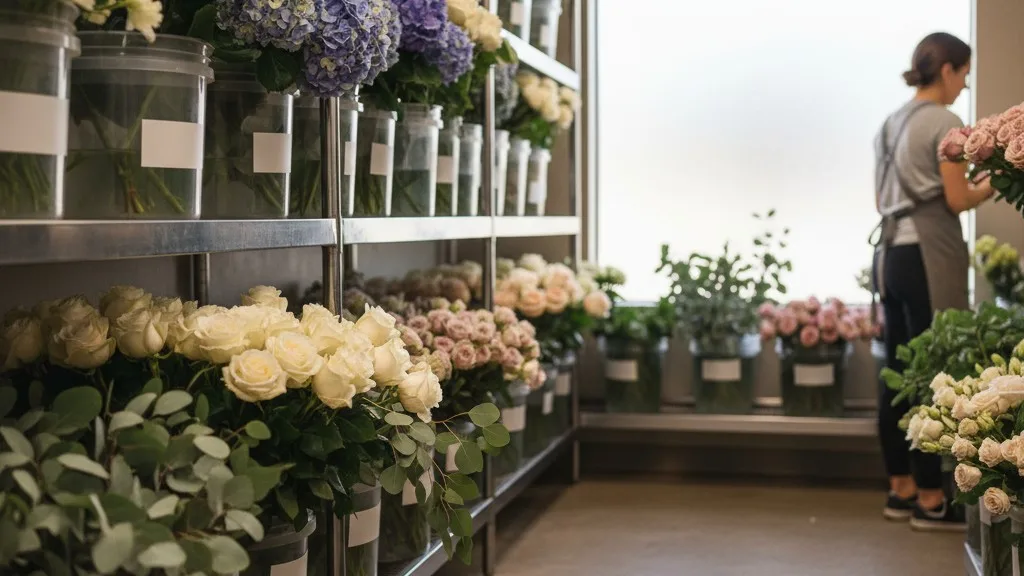
If space permits, dedicate specific shelves or sections of your walk-in cooler exclusively to event work. Group buckets by arrangement type. Keep all the stems for the bridal party bouquets together, and separate the centerpiece flowers from the ceremony arch materials. This level of organization not only speeds up the design process but also makes it easy to conduct quick inventory checks to ensure nothing has gone missing or spoiled before the design work begins.
Transitioning from Paper Chaos to Digital Tools
Many flower shops still rely on paper clipboards, handwritten notes, and printed spreadsheets to track their event designs. While these traditional methods can work for small jobs, they quickly fall apart under the weight of large, multi-day events. Paper sheets get wet on the design bench, notes are scribbled in the margins and forgotten, and physical files are easily misplaced.
Transitioning to digital tools is a critical step for growing shops. If you find your team constantly searching for lost paperwork or struggling to keep up with client revisions, it may be a sign that your shop has outgrown spreadsheets and manual tracking. Digital systems allow you to update recipes in real time, track inventory levels across multiple locations, and ensure that everyone from the office staff to the delivery drivers has access to the most current information.
Using dedicated wedding flower software management tools helps centralize your event workflows. When a client requests a change to their bridal bouquet two weeks before the wedding, you can update the recipe digitally, and the change will instantly reflect on the designer's screen or printed build sheet. This eliminates the risk of a designer building an arrangement based on an outdated paper draft.
Streamline Delivery and On-Site Setup
The final, and often most stressful, phase of tracking event designs is the delivery and on-site setup. Even the most beautiful arrangements can be ruined if they are packed incorrectly or delivered to the wrong location. Your tracking system must extend all the way to the venue doors.
Packing Lists and Load-Out Sheets
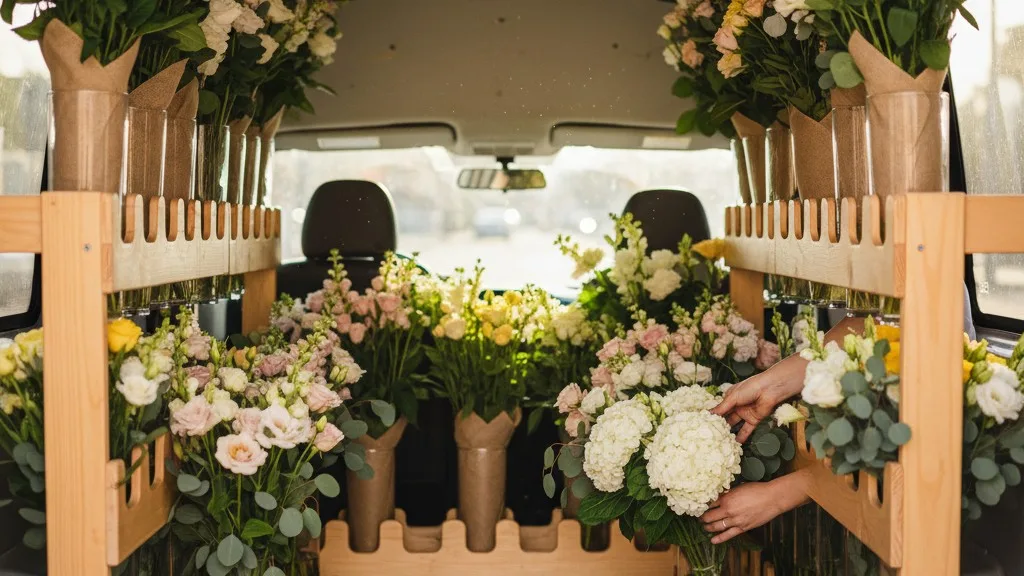
Never rely on memory when loading the delivery van. Create a detailed load-out sheet that lists every single arrangement, personal flower, rental item, and tool needed for the setup. As items are packed into the van, have a team member physically check them off the list. Include a section for "hard goods" such as floral tape, wire cutters, zip ties, command hooks, and extra water buckets. A forgotten tool can cause major delays once you arrive at the venue.
On-Site Design Blueprints
When your team arrives at the venue, they need to know exactly where every piece belongs. Provide your setup crew with a physical or digital blueprint of the event space. Mark the locations of the welcome sign, the ceremony arch, the guest tables, and the cake table. Label each arrangement with a number that corresponds to its location on the map. This ensures that the setup goes smoothly, even if the lead designer is busy assembling a complex installation on-site.
Building a Reliable System for Large Event Success
Successfully tracking floral designs for large events requires a combination of strict shop discipline, clear physical organization, and the right digital tools. By standardizing your recipes, color-coding your cooler, and streamlining your delivery processes, you can reduce stress on your team and protect your shop's bottom line. Every step you take to formalize your workflow makes your business more resilient and more profitable.
If you are looking for a way to simplify your shop's daily operations and event workflows, Orkyd offers a modern, web-based solution. Our platform provides the tools you need to manage your product catalog, track recipes, and keep your deliveries organized. To see how our flat monthly subscription can help your business thrive without taking a percentage of your sales, visit our website to book a free 30-minute Orkyd demo today.